
How to Choose the Right Kite for Beginners
Kite flying is a fun and enjoyable outdoor activity that brings together children, families, and enthusiasts of all age groups. Whether you are preparing for a festival, planning an outdoor family activity, or simply trying kite flying for the first time, selecting the right kite can make a major difference to your experience.
Beginners often feel confused because kites are available in different materials, sizes, shapes, colors, and designs. Some kites are lightweight and easy to handle, while others require more practice and control. Choosing a suitable beginner-friendly kite can help you learn the basics more comfortably and enjoy the activity safely.
This guide explains the important factors you should consider before selecting your first kite.
1. Start with a Lightweight Kite
For beginners, a lightweight kite is usually the most practical choice. Lightweight kites are easier to lift into the air and more convenient to manage during regular flying conditions. They require less effort to control and can help new users understand how wind direction affects the movement of the kite.
Paper kites and lightweight PP kites are both suitable options for beginners. These kites are easy to carry, simple to store, and available in a wide variety of attractive colors and patterns.
A very large or heavy kite may be difficult for a new flyer to handle. Start with a manageable size and move to larger options after gaining confidence and experience.
2. Understand the Difference Between Paper Kites and PP Kites
Two popular choices for recreational kite flying are paper kites and PP kites. Each type has its own advantages.
Paper Kites
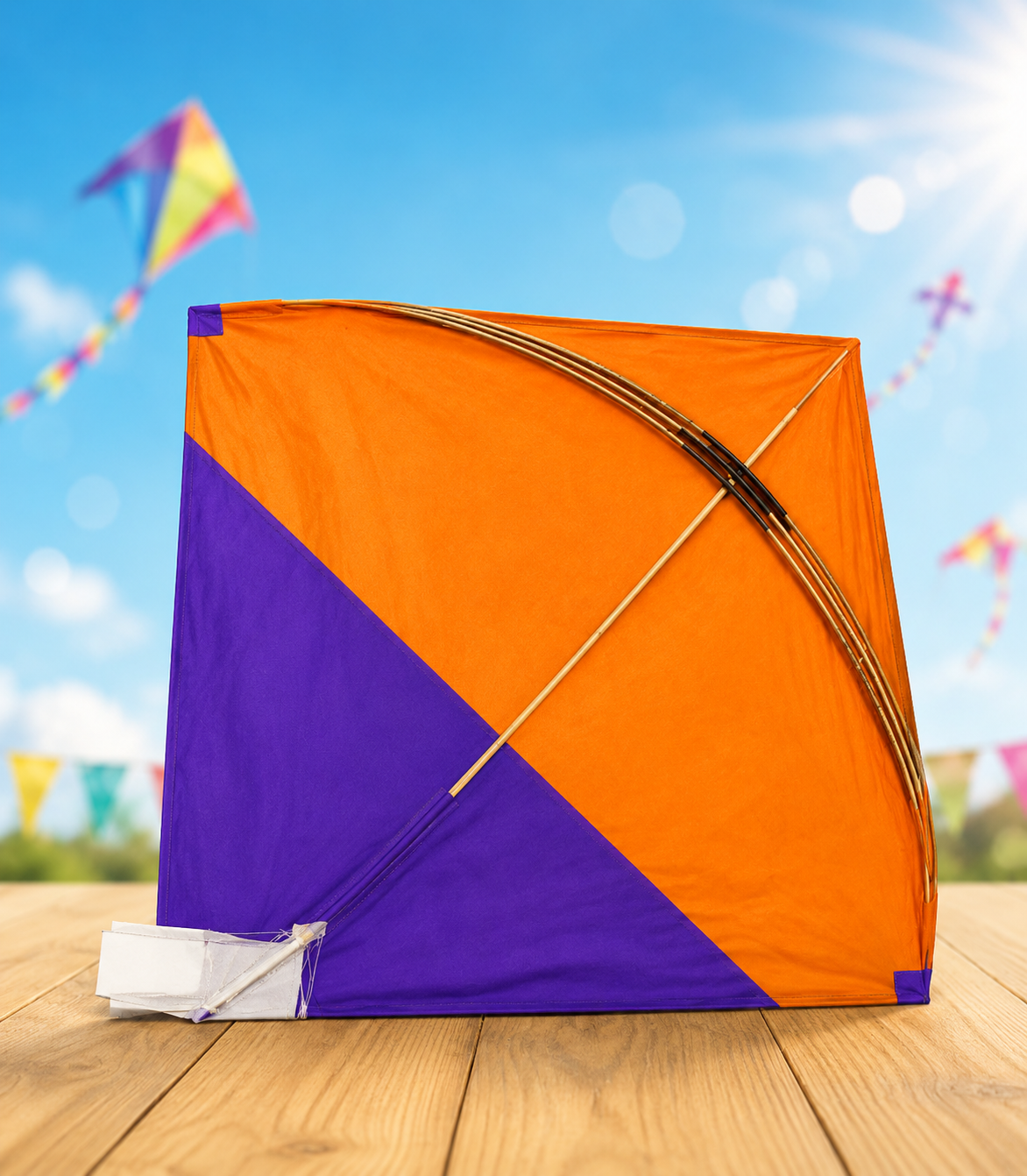
Paper kites are widely used during traditional kite festivals and seasonal celebrations. They are lightweight, colorful, and suitable for people who enjoy a classic kite-flying experience. Their simple construction makes them a popular option for beginners.
Paper kites are available in different sizes, including options such as 30 Ka Paper Patang and 34 Ka Paper Patang. Beginners can choose a smaller or medium-sized kite that feels comfortable to handle.
PP Kites
PP kites are another attractive choice for beginners. They are available in colorful designs, printed patterns, and cartoon styles. Cartoon Printed PP Kites are especially popular among children and families because of their playful appearance.
PP kites are practical for recreational activities, outdoor events, and festive occasions. Their attractive designs also make them suitable for people looking for a colorful and visually appealing option.
When choosing between paper and PP kites, consider your preferences, the weather conditions, and the intended use. Both varieties can provide an enjoyable experience for beginners.
3. Choose a Manageable Size
The size of the kite is an important factor for first-time flyers. A beginner should avoid selecting a kite that is too large, as it may become difficult to control when the wind becomes stronger.
A medium-sized kite is generally easier to manage. It allows the user to practice launching, guiding, and bringing the kite down without excessive effort. Once you become comfortable with the basic movements, you can experiment with different sizes and designs.
Children should always fly kites under adult supervision and use products suitable for their age and experience level.
4. Select the Right Kite String
A kite is only one part of the setup. You also need a suitable kite string for a comfortable and responsible flying experience.
Cotton kite thread is a practical option for recreational use. It is commonly preferred by beginners because it is lightweight and easy to handle. Kite strings are available in different lengths, such as 200-meter and 600-meter options.
A shorter string roll can be convenient for beginners who are learning the basics. Longer strings may be more suitable for regular flyers who already understand how to manage the kite at a greater distance.
Always choose a kite string that complies with local rules and safety guidelines. Avoid sharp, metallic, or unsafe strings that may cause injuries or harm animals and birds. Responsible kite flying is essential for everyone’s safety.
5. Use a Comfortable Spool or PVC Chakri
A spool or chakri helps you manage the kite string smoothly. It allows you to wind and unwind the thread while controlling the distance of the kite.
Beginners should select a lightweight and comfortable option that is easy to hold. PVC chakri products are practical because they are easy to carry, store, and maintain. Wooden kite spools are also popular among users who prefer a traditional option with a sturdy feel.
Before flying your kite, check that the string is wound properly around the spool or chakri. A neatly arranged string reduces tangling and makes handling easier.
6. Check the Wind Conditions
The weather plays an important role in kite flying. Beginners should choose a day with a gentle and steady breeze. Flying a kite in very strong wind can make control difficult and may damage the kite.
Avoid flying during rain, thunderstorms, or unpredictable weather conditions. Choose an open outdoor space where the wind is steady and there is enough room to move safely.
If the kite is not lifting properly, the wind may be too weak. If it pulls too strongly or becomes difficult to manage, the wind may be too powerful for a beginner.
7. Choose an Open and Safe Location
Always fly kites in a safe and open area. Avoid roads, electrical wires, rooftops without safety barriers, airports, railway lines, crowded spaces, and locations with heavy traffic.
Public grounds, open fields, and designated kite-flying areas are usually more suitable. Keep a safe distance from people, animals, birds, trees, and buildings.
Children should never fly kites alone. Adult supervision is important, especially when using a spool, managing the string, or flying during festivals.
8. Select a Design You Enjoy
Learning becomes more enjoyable when you choose a kite that reflects your personal preferences. Beginners can select from colorful paper kites, cartoon printed PP kites, and vibrant Rangeela designs.
Children may enjoy cartoon-style kites, while traditional kite enthusiasts may prefer classic paper patang options. An attractive design can make the kite-flying experience more exciting, especially during seasonal festivals and outdoor gatherings.
9. Inspect the Kite Before Flying
Before using your kite, check its condition carefully. Ensure that the frame is properly aligned, the paper or PP material is not torn, and the string is securely attached.
A damaged kite may not fly smoothly. Minor issues should be fixed before launching the kite. Proper storage is also important. Keep your kites in a dry place and avoid bending them during transportation.
10. Practice the Basics Slowly
Beginners should focus on learning simple movements. Start by launching the kite in a safe area with a gentle breeze. Practice controlling the string gradually instead of releasing too much thread at once.
With regular practice, you will become more comfortable with launching, guiding, winding, and storing your kite. The goal is to enjoy the activity while following safety precautions.
Final Thoughts
Choosing the right kite for beginners does not have to be complicated. Start with a lightweight paper kite or PP kite, select a manageable size, pair it with a suitable cotton string, and use a comfortable spool or PVC chakri. Always fly in an open and safe area while following local guidelines.
Bhawani Enterprises offers a wide range of paper kites, PP kites, kite strings, wooden and PVC spools, and PVC chakri products for personal, retail, and wholesale requirements. Contact us to learn more about the available varieties, specifications, pricing, and bulk order options.

Add a comment